

AI in Dynamics 365 Supply Chain Management: Transforming the Modern Supply Chain
AI in Dynamics 365 Supply Chain Management is redefining how organizations plan, produce, and deliver goods globally. Today’s supply chains operate in a volatile, uncertain, complex, and ambiguous (VUCA) world. To thrive, companies must predict disruptions, optimize resources, and adapt quickly. Microsoft Dynamics 365 SCM, powered by Artificial Intelligence (AI) and the Internet of Things (IoT), enables this transformation by offering predictive insights, automation, and real-time visibility.
Businesses now depend on data to drive every strategic decision. With AI in Dynamics 365 Supply Chain Management, enterprises analyze historical data, identify hidden patterns, and make proactive decisions. From forecasting demand to optimizing logistics, AI empowers organizations to move from reactive to predictive supply chain management. The integration of IoT sensors further enhances this by providing live data from warehouses, transportation fleets, and production lines, ensuring smarter, faster decision-making across every stage of the supply chain.
Digital transformation SCM is no longer optional; it’s a competitive necessity. Whether a company is small or multinational, integrating AI and IoT within Dynamics 365 SCM ensures greater agility, reduced waste, and improved customer satisfaction.
The Rise of AI and IoT in Supply Chain Operations
Technology adoption in supply chain management has accelerated dramatically over the last decade. The combination of AI and IoT in supply chain systems has shifted the focus from manual oversight to predictive intelligence. Traditional ERP systems provided limited visibility and reactive decision-making capabilities. Now, predictive analytics ERP modules in Dynamics 365 SCM allow organizations to anticipate disruptions before they happen.
For instance, AI algorithms can predict potential bottlenecks based on historical shipping data, while IoT devices continuously track the temperature and condition of goods in transit. Together, they build an intelligent supply chain capable of self-monitoring and self-correcting.
Digital transformation SCM has also led to better collaboration between teams. Manufacturers, distributors, and retailers now share real-time data across the supply chain, reducing delays and increasing transparency. By leveraging AI-driven forecasting and IoT-enabled visibility, businesses can ensure continuous improvement and strategic adaptability in an ever-changing global market.
Understanding Microsoft Dynamics 365 SCM
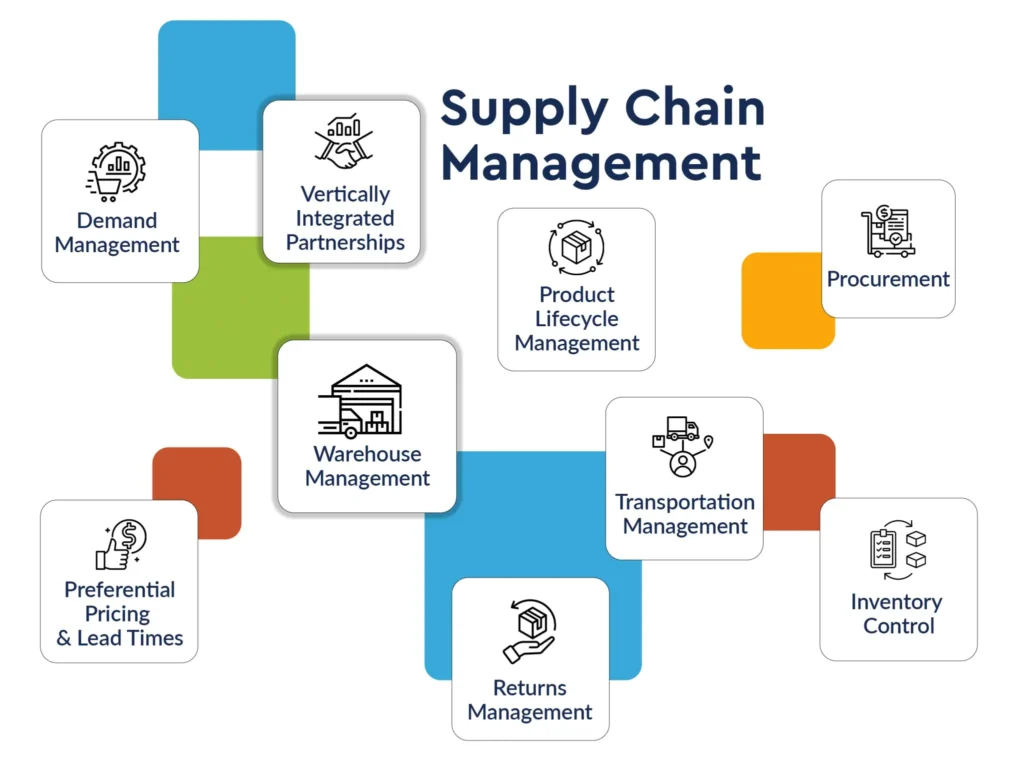
Microsoft Dynamics 365 Supply Chain Management (SCM) is a robust, cloud-based ERP solution designed to connect every aspect of a company’s operations. It merges data, processes, and insights across procurement, manufacturing, inventory, logistics, and sales. At its core, AI in Dynamics 365 Supply Chain Management transforms traditional supply chains into intelligent, predictive ecosystems.
The platform offers a unified view of the entire value chain, allowing decision-makers to act on insights in real time. Through embedded AI, businesses can forecast demand, automate workflows, and respond quickly to changes in supply or demand. For example, predictive analytics ERP tools in Dynamics 365 SCM help identify which products will be in demand next month, which suppliers may delay deliveries, and where inventory should be allocated to meet customer expectations.
Moreover, IoT integration enables seamless data capture from connected assets — from production machines to delivery trucks. This fusion of AI and IoT in supply chain operations reduces human error, enhances productivity, and drives continuous optimization. In a digitally transformed SCM environment, decision-making becomes data-driven, not intuition-based.
How AI Powers Predictive Supply Chain Management
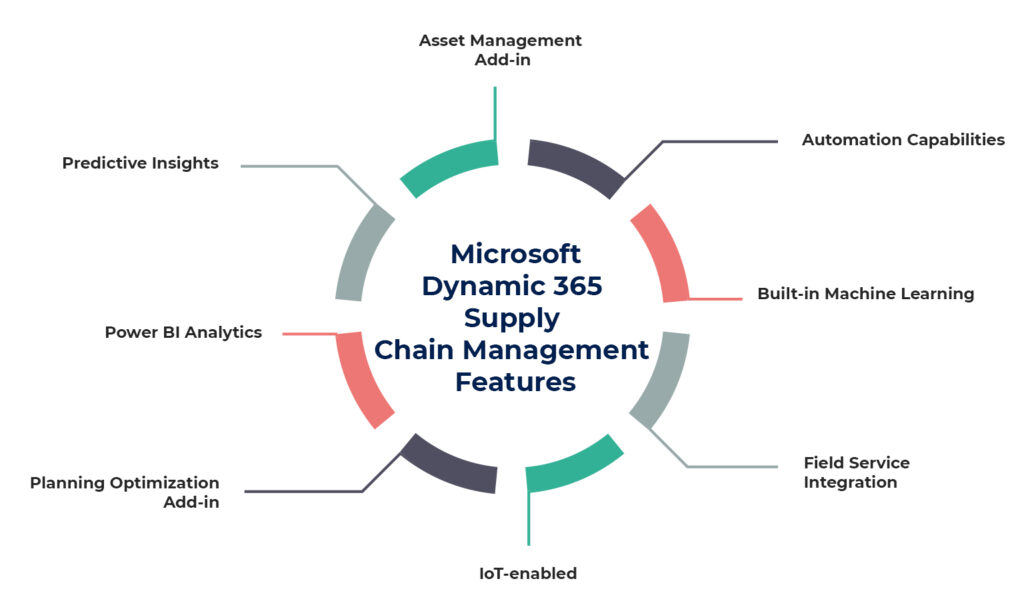
AI-driven predictive supply chain management is the cornerstone of modern business resilience. Instead of reacting to disruptions after they occur, organizations can anticipate and prevent them. AI in Dynamics 365 Supply Chain Management leverages vast datasets — from sales records to real-time sensor data — to forecast potential risks and opportunities.
Predictive analytics ERP modules utilize machine learning models that analyze market trends, supplier reliability, and transportation patterns. The result? Accurate demand forecasts, optimized inventory levels, and reduced lead times. For instance, if a specific raw material faces global shortages, the system alerts supply chain managers and recommends alternative sourcing options before production halts.
These insights extend beyond planning. AI also enhances operational execution by identifying inefficiencies in production, optimizing routes in logistics, and improving supplier relationships. Combined with IoT in supply chain operations, these tools create a dynamic, adaptive ecosystem capable of responding to real-time changes. Businesses no longer rely solely on historical data — they predict the future with confidence.
IoT in Supply Chain Connecting the Dots
IoT in supply chain networks acts as the digital nervous system that keeps everything connected and responsive. In Microsoft Dynamics 365 SCM, IoT devices collect data from machinery, vehicles, and warehouses. This live data is transmitted to AI-powered analytics systems that interpret performance, usage, and condition metrics.
For example, smart sensors installed on manufacturing equipment can detect early signs of malfunction, allowing predictive maintenance before breakdowns occur. Similarly, GPS and RFID sensors track shipments across the globe, ensuring end-to-end visibility. This integration of IoT and AI ensures that every link in the supply chain operates with precision and transparency.
IoT data feeds directly into predictive analytics ERP modules, enabling accurate forecasting and resource optimization. With real-time visibility, companies can reduce excess inventory, improve delivery timelines, and enhance customer satisfaction. As part of digital transformation SCM, IoT ensures that operations are not only efficient but also sustainable, minimizing waste and energy consumption.

Building an Intelligent Supply Chain with AI and IoT
An intelligent supply chain uses AI and IoT to sense, predict, and act. With Dynamics 365 SCM, businesses are creating intelligent ecosystems that evolve continuously. AI algorithms analyze data from IoT sensors, ERP systems, and external sources to optimize every process — from procurement to distribution.
Consider a company that manufactures electronics. Through AI in Dynamics 365 Supply Chain Management, it can monitor supplier lead times, production capacity, and consumer demand simultaneously. IoT-enabled machinery reports real-time performance metrics, while AI predicts maintenance needs or potential production slowdowns. Together, these technologies prevent downtime, improve efficiency, and reduce costs.
An intelligent supply chain is also customer-focused. AI-driven analytics anticipate customer needs and adjust supply strategies accordingly. When combined with digital transformation SCM, this creates a fully connected environment where business decisions are proactive and data-driven. Over time, this integration enhances agility, enabling organizations to adapt faster to market fluctuations and disruptions.
Digital Transformation SCM The Road to Automation
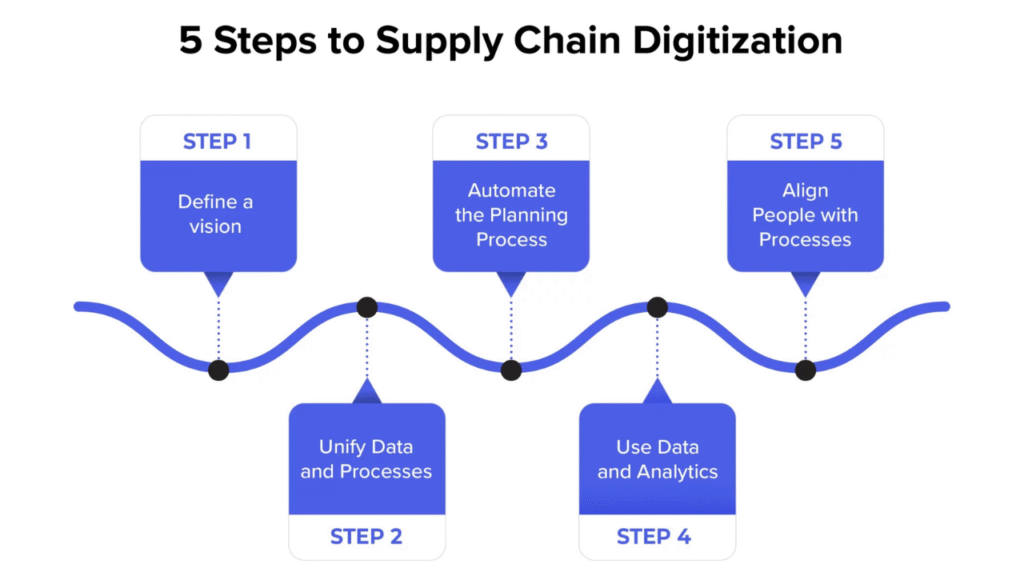
Digital transformation SCM is no longer a futuristic goal — it’s a present-day necessity. Organizations across industries are adopting AI and IoT to automate processes, enhance visibility, and make smarter decisions. Microsoft Dynamics 365 Supply Chain Management stands at the heart of this transformation, empowering enterprises to move beyond traditional ERP systems and embrace predictive analytics ERP models that drive efficiency and innovation.
The integration of AI in Dynamics 365 Supply Chain Management enables real-time monitoring and analysis of every operational activity. Imagine a system where orders are automatically prioritized based on delivery deadlines, or where IoT sensors alert managers when stock levels fall below a threshold. This isn’t just automation — it’s intelligent automation.
With automation comes agility. Businesses can respond to sudden market changes without disrupting their entire supply chain. For example, if a shipment gets delayed, AI algorithms instantly recalculate alternative routes or suggest supplier adjustments. As a result, companies experience less downtime and improved performance. Digital transformation SCM ensures that businesses are not just keeping up with trends but leading them with innovation and intelligence.
AI in Inventory and Warehouse Management
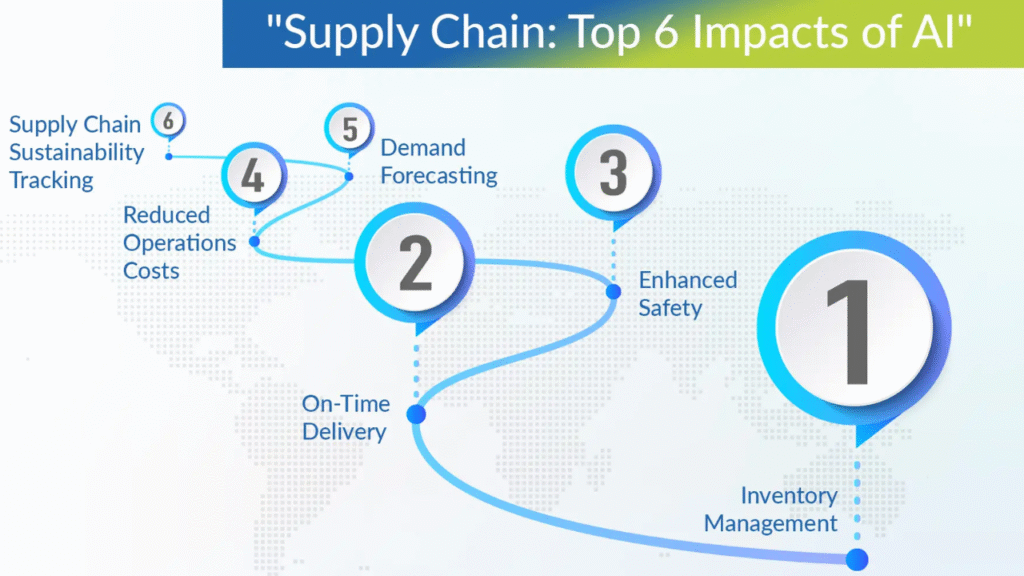
Managing inventory effectively is one of the biggest challenges in supply chain management. AI in Dynamics 365 Supply Chain Management revolutionizes this process through predictive intelligence. By analyzing historical sales, seasonal demand, and customer behavior, AI ensures that businesses maintain the right amount of stock at all times.
Predictive analytics ERP features help identify fast-moving and slow-moving items, allowing inventory managers to make timely decisions. This reduces overstocking, minimizes waste, and improves cash flow. AI also automates restocking by sending alerts or triggering purchase orders when inventory dips below optimal levels.
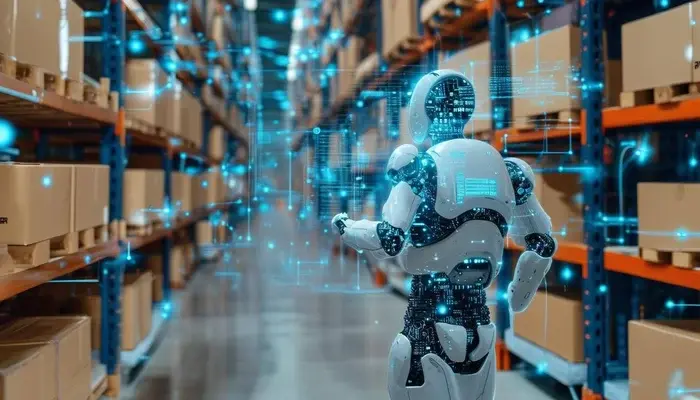
IoT in supply chain further enhances warehouse management by enabling real-time tracking of goods. Sensors can monitor temperature-sensitive products, while AI uses this data to predict potential spoilage risks. Combined, these technologies create a warehouse ecosystem that operates with precision and speed. This intelligent supply chain not only cuts costs but also improves order accuracy and customer satisfaction.
IoT-Driven Logistics and Transportation Optimization
The logistics segment of a supply chain can make or break operational efficiency. IoT-driven logistics in Dynamics 365 SCM ensures real-time tracking and dynamic route optimization. Sensors installed in vehicles send live updates on location, temperature, and cargo condition. AI then processes this information to recommend the fastest and safest delivery routes.
For example, predictive analytics ERP algorithms can detect potential traffic jams or weather disruptions and instantly reroute shipments. This reduces delays, fuel costs, and carbon emissions — all vital for sustainable SCM. Furthermore, IoT-enabled fleet management provides maintenance alerts before vehicle breakdowns occur, enhancing reliability.
Digital transformation SCM powered by AI and IoT not only enhances transportation efficiency but also improves customer experiences. Businesses can offer real-time delivery updates, ensure better accuracy in estimated delivery times, and minimize logistical risks. These intelligent capabilities create a supply chain that’s efficient, transparent, and environmentally responsible.

Predictive Analytics ERP: The Future of Planning
Predictive analytics ERP systems form the analytical backbone of modern supply chains. AI in Dynamics 365 Supply Chain Management uses predictive modeling to analyze data and provide actionable insights. Rather than relying solely on historical information, these systems learn from trends, patterns, and anomalies.
Through machine learning algorithms, Dynamics 365 SCM can forecast demand variations, assess supplier performance, and predict potential disruptions. For instance, if a supplier consistently delivers late, the system flags it and suggests alternatives. This proactive approach minimizes delays and ensures smoother operations.
In addition, predictive analytics ERP enhances financial planning by forecasting budget needs, production costs, and inventory expenses. It helps executives make data-backed decisions quickly and confidently. With predictive insights integrated into every stage of the supply chain, businesses can plan strategically, adapt rapidly, and grow sustainably.
Smart Manufacturing with Dynamics 365 SCM
Smart manufacturing is reshaping industries, and Microsoft Dynamics 365 Supply Chain Management is leading this evolution through AI and IoT. Traditional manufacturing systems relied heavily on manual data collection and reactive maintenance. However, with AI in Dynamics 365 Supply Chain Management, factories now run on predictive intelligence and automation.
In a smart factory, IoT sensors collect continuous data from production lines — such as temperature, vibration, and equipment performance. This information feeds into AI models that analyze and predict potential failures. Instead of waiting for a breakdown, maintenance teams receive alerts before machinery stops working, ensuring zero downtime.
Predictive analytics ERP systems in Dynamics 365 SCM also optimize production scheduling. They balance workloads, minimize waste, and enhance efficiency by analyzing production cycles in real time. For instance, if one machine is underperforming, the system automatically reallocates tasks to another without disrupting the process.
Beyond efficiency, AI also supports sustainability. Smart manufacturing reduces energy consumption by monitoring and controlling usage patterns. This contributes to the larger goal of creating an intelligent supply chain that is both profitable and environmentally responsible. With digital transformation SCM, manufacturers are achieving a perfect blend of automation, insight, and innovation.
Enhancing Supplier Collaboration with AI Insights
Strong supplier relationships are crucial for maintaining a resilient supply chain. AI in Dynamics 365 Supply Chain Management revolutionizes how businesses engage with suppliers. By analyzing supplier performance, delivery times, and quality metrics, AI provides real-time insights that strengthen collaboration.
Predictive analytics ERP tools can identify potential supplier risks before they become problems. For example, if a supplier’s performance starts declining, the system automatically flags it and recommends corrective actions or alternative vendors. This proactive approach ensures continuous supply chain stability.
Moreover, AI-driven insights enable more intelligent contract negotiations. Businesses can predict future costs, monitor compliance, and ensure transparent communication with suppliers. Combined with IoT in supply chain operations, companies can track material movement from supplier facilities to production lines, ensuring accountability and visibility at every stage.
Digital transformation SCM also fosters strategic partnerships through data sharing. Instead of working in silos, suppliers and manufacturers collaborate through shared dashboards in Dynamics 365 SCM. This transparency builds trust and drives efficiency across the supply network.
Challenges in Implementing AI and IoT in Dynamics 365 SCM
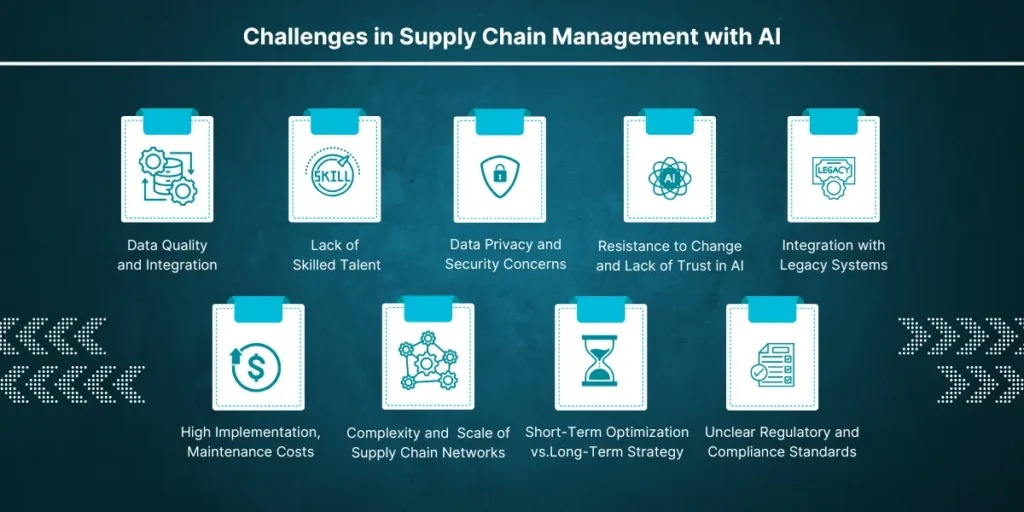
While the benefits of AI and IoT in supply chain management are vast, implementation comes with its own challenges. The first major hurdle is data integration. Many organizations still operate on legacy systems that do not easily connect with modern AI-driven ERP platforms like Dynamics 365 SCM. Migrating data and ensuring its accuracy requires strategic planning and expertise.
Another challenge is data security. With IoT devices continuously transmitting data, cybersecurity threats become a significant concern. Organizations must implement robust encryption, authentication, and monitoring protocols to safeguard information across networks.
Additionally, the skill gap in AI and IoT technologies poses a challenge. Companies need trained professionals who understand both supply chain operations and advanced analytics. Without the right talent, leveraging the full potential of predictive analytics ERP becomes difficult.
Finally, the cost of deployment and the need for organizational change can delay adoption. However, businesses that overcome these challenges gain long-term advantages — including improved resilience, cost savings, and agility in managing global operations.
Real-World Use Cases of AI and IoT in SCM
Many global enterprises have already transformed their supply chains using AI in Dynamics 365 Supply Chain Management. For instance, a leading automotive manufacturer integrated IoT sensors across its production facilities. These sensors collected machine performance data, which AI analyzed to predict failures and optimize maintenance schedules. As a result, downtime dropped by 25%, and production output increased significantly.
In another case, a consumer goods company used predictive analytics ERP tools to improve demand forecasting. By analyzing seasonal sales trends, customer preferences, and external factors like weather conditions, the company achieved 98% forecasting accuracy. This led to reduced stockouts and enhanced customer satisfaction.
IoT in supply chain logistics has also proven beneficial. A food distribution company equipped its trucks with IoT sensors to monitor temperature during transit. AI analyzed this data to ensure that perishable goods remained within safe conditions throughout the journey. This not only reduced waste but also strengthened the company’s compliance with safety regulations.
These real-world examples highlight how digital transformation SCM can create intelligent, predictive, and customer-focused supply chains capable of thriving in today’s competitive markets.
Future Trends in AI-Driven Supply Chain Management
The future of supply chain management is undeniably intelligent and predictive. With AI in Dynamics 365 Supply Chain Management becoming more advanced, businesses are moving toward self-optimizing and autonomous systems. These systems can learn, adapt, and make decisions without human intervention — marking a new era of operational excellence.
One major trend is autonomous SCM systems, where AI and IoT work together to manage end-to-end processes. For instance, AI can predict demand surges, automatically reorder materials, and direct IoT-enabled robots to handle warehouse operations. This not only reduces human workload but also improves precision and speed.
Another growing trend is AI ethics and responsible data usage. As supply chains rely heavily on data, ensuring ethical data handling and transparency is critical. Microsoft Dynamics 365 SCM is already integrating AI governance frameworks that promote fairness, accountability, and security in data-driven operations.
Sustainability is also a priority. Predictive analytics ERP systems will increasingly focus on reducing waste, optimizing transportation routes to lower carbon emissions, and supporting circular economy initiatives. Digital transformation SCM will continue evolving toward eco-efficient and socially responsible models.
Finally, the rise of edge computing will enhance IoT in supply chain networks. Processing data closer to the source — such as factory sensors or delivery trucks — reduces latency and enables faster decisions. Together, these trends position AI-driven supply chain management as the foundation for future-ready enterprises.


